



Tehran is on the ropes, and conditions are unlikely to change. Its weakening shifts the regional game. Jerusalem should open to Arab parties to fully capitalize on the opportunities.
On the eve of a possible massive attack on Iran, the recent inconclusive Israeli elections might yet open new geopolitical opportunities for the country and the region. In the vote, neither of the two main candidates, Benjamin Netanyahu or Gadi Eisenkot, won a clear majority, and the country is searching for a new direction before even forming a new government.
Two trends, one internal and the other external, may push Israel on a different track.
Iran’s fall?
One is about Iran. It is on the ropes. The morality police, the system’s keystone for 50 years, have vanished or thinned out on the streets.
Tehran may partially control Hormuz, but it does so at the cost of destroying the nation. The US chokehold on Iranian oil exports is stifling the country.
Consumer prices are up 88.7% year over year; job losses have risen by up to 1.4 million, and the National Gas Company acknowledges that 11 provinces could face winter gas restrictions. Cooking oils and fats rose 255% over the previous year, and milk, cheese, and eggs rose 154%. Rural inflation reached 107%, compared with 85.5% in urban areas.
The new wave of US attacks, expected shortly after the Midterm elections in America, may further dim economic and social prospects. The regime may still hold forth, but it’s no longer a beacon of strength and Muslim resurgence.
The radical Houthis in Yemen, who recently pushed back the Saudi attack and affirmed their sway on the other crucial strait, Bab el-Mandeb, may carry on the torch of radicalism. But Yemen doesn’t have the economic scale, the cultural heft, and the population size to be the next standard bearer of radical Islam.
Iran’s failing might be an epochal defeat for Muslim radicalism. The Iranian Revolution almost 50 years ago rekindled Muslim radicalism and the idea of an Islamic Renaissance, rooted in a hard confrontation with Western values. Today, the opposite is unfolding; Iran’s de facto defeat could have anti-radical repercussions across the Muslim world, including in Turkey and Pakistan.
Iranian resistance?
Or the opposite could happen, as some radicals in Tehran might bet. The beleaguered Iranian regime could resist the attack, as it bore eight long years of war with Iraq from 1980 to 1988. The conflict ended with no clear battlefield winner. But the fight, started right after the 1979 Islamist revolution, when Tehran was supposed to be weakest, proved the regime’s resilience and bolstered its claim to power.
If the regime can now withstand the direct attack of both the US and Israel, its claim to power could end up stronger than ever.
Yet, the situation is certainly very different from 40 years ago. Then the revolutionary spirit was young, and many feared the return of the oppressive Shah regime.
Now, the four decades of religious authoritarianism have exasperated the country. Millions of people protested time and again against the oppressive regime, and tens of thousands died in the streets for their freedom. The Ayatollah’s popularity has long waned. The 50% of the population who don’t vote declare, by staying away from the ballot box, their opposition to the current government.
Moreover, the international situation has changed. Shortly after the end of the war, Iraq attacked and annexed Kuwait in 1990. A few months later, the US assembled an extremely large coalition of states that surrounded Iraq. Iran was called in to participate, ending a decade-long political and commercial freeze. This, and the end of the Soviet Empire at the same time, created an unprecedented breathing space for the Ayatollahs.
Now, a US political U-turn is very unlikely, and a major international event that would change US priorities is unlikely any time soon.
Israel’s bet?
But if Iran is done for, this will open a new regional landscape. Regional powers such as Turkey, Egypt, and Saudi Arabia, as well as middleweights like Qatar and peripheral powers like Pakistan, will be drawn into it.
The real point is: how can Israel, one of the main forces that weakened Iran, benefit from it? If it doesn’t act carefully, it may have worked for others. Politically, all these other Muslim countries could be better positioned to reap the fruits of the Ayatollahs’ decline.
Still, it could be different. The Arab citizens of Israel have been a pillar of the country, holding up and supporting the nation through a long and difficult challenge.
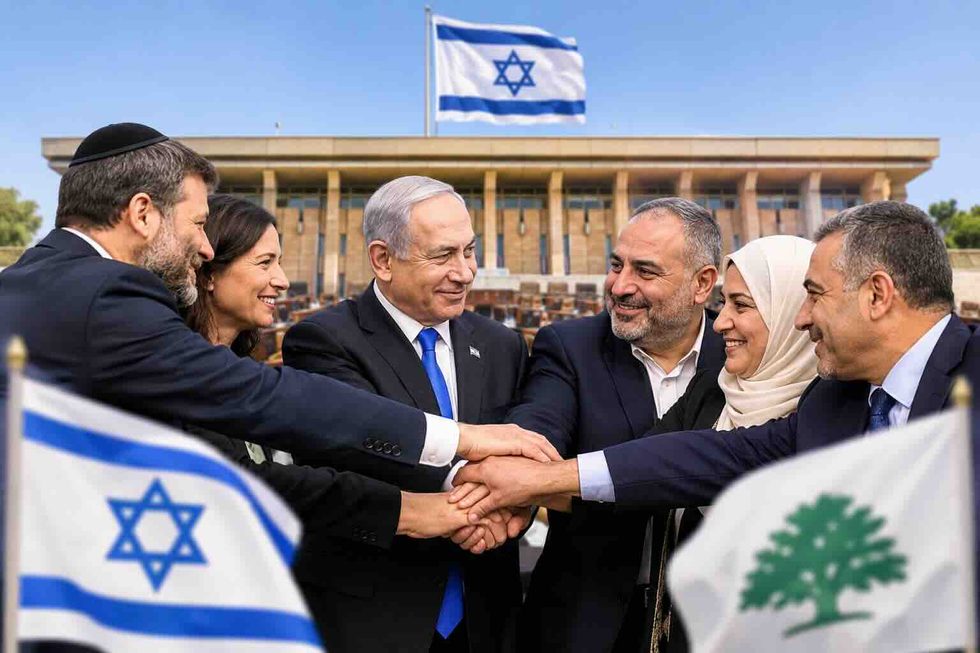
Today they might be able to play a new part, as integration into the political process could launch Israel into a new regional role and also help it find a settlement with the Palestinians in the territories.
At the strategic level, to stabilize its proximate environment, Israel may seek to bring the Saudis into the Abraham Accord and open a new dialogue with Turkey.
At a more tactical level, the prospect of a Palestinian state has faded. There is broad agreement that Hamas must be fully disarmed and that Iran must no longer pose a threat. The Houthis and other extremists with dwindling funding from Iran or Gulf countries could wither.
Even if the Iranian regime stays on, isolated, with an economy in shambles and a restive population, it would run its course and wilt with time.
This process can be accelerated or slowed down by Israeli political choices.
An Israel that is not entrenched in positions of religious radicalism but projects itself toward a new relationship with its Arab population could help move the regional chemistry. Islamic countries may want to shed the domestic political blackmail of the radical extremists, and they might find a new Israel as the external voice to help them transition.
All of this has to be brought down to the reality of the horse trading of the Israeli Parliament, where the Israeli Arab parties won a record 19 seats. They could be the kingmakers of the future government if their votes are taken out of the cold. If that happens, many things could change for Israel and the region. Or things could turn out to be far more difficult.
Tehran is on the ropes, and conditions are unlikely to change. Its weakening changes the regional game. Jerusalem should open to the Arab parties to fully take advantage of the possibilities.
On the eve of a possible massive attack on Iran, the recent inconclusive Israeli elections might yet open new geopolitical opportunities for the country and the region. In the vote, neither of the two main candidates, Benjamin Netanyahu or Gadi Eisenkot, won a clear majority, and the country is searching for a new direction before even forming a new government.
Two trends, one internal and the other external, may push Israel on a different track.
Iran’s fall?
One is about Iran. It is on the ropes. The morality police, the system’s keystone for 50 years, have vanished or thinned out on the streets.
Tehran may partially control Hormuz, but it does so at the cost of destroying the nation. The US chokehold on Iranian oil exports is stifling the country.
Consumer prices are up 88.7% year over year; job losses have risen by up to 1.4 million, and the National Gas Company acknowledges that 11 provinces could face winter gas restrictions. Cooking oils and fats rose 255% over the previous year, and milk, cheese, and eggs rose 154%. Rural inflation reached 107%, compared with 85.5% in urban areas.
The new wave of US attacks, expected shortly after the Midterm elections in America, may further dim economic and social prospects. The regime may still hold forth, but it’s no longer a beacon of strength and Muslim resurgence.
The radical Houthis in Yemen, who recently pushed back the Saudi attack and affirmed their sway on the other crucial strait, Bab el-Mandeb, may carry on the torch of radicalism. But Yemen doesn’t have the economic scale, the cultural heft, and the population size to be the next standard bearer of radical Islam.
Iran’s failing might be an epochal defeat for Muslim radicalism. The Iranian Revolution almost 50 years ago rekindled Muslim radicalism and the idea of an Islamic Renaissance, rooted in a hard confrontation with Western values. Today, the opposite is unfolding; Iran’s de facto defeat could have anti-radical repercussions across the Muslim world, including in Turkey and Pakistan.
Iranian resistance?
Or the opposite could happen, as some radicals in Tehran might bet. The beleaguered Iranian regime could resist the attack, as it bore eight long years of war with Iraq from 1980 to 1988. The conflict ended with no clear battlefield winner. But the fight, started right after the 1979 Islamist revolution, when Tehran was supposed to be weakest, proved the regime’s resilience and bolstered its claim to power.
If the regime can now withstand the direct attack of both the US and Israel, its claim to power could end up stronger than ever.
Yet, the situation is certainly very different from 40 years ago. Then the revolutionary spirit was young, and many feared the return of the oppressive Shah regime.
Now, the four decades of religious authoritarianism have exasperated the country. Millions of people protested time and again against the oppressive regime, and tens of thousands died in the streets for their freedom. The Ayatollah’s popularity has long waned. The 50% of the population who don’t vote declare, by staying away from the ballot box, their opposition to the current government.
Moreover, the international situation has changed. Shortly after the end of the war, Iraq attacked and annexed Kuwait in 1990. A few months later, the US assembled an extremely large coalition of states that surrounded Iraq. Iran was called in to participate, ending a decade-long political and commercial freeze. This, and the end of the Soviet Empire at the same time, created an unprecedented breathing space for the Ayatollahs.
Now, a US political U-turn is very unlikely, and a major international event that would change US priorities is unlikely any time soon.
Israel’s bet?
But if Iran is done for, this will open a new regional landscape. Regional powers such as Turkey, Egypt, and Saudi Arabia, as well as middleweights like Qatar and peripheral powers like Pakistan, will be drawn into it.
The real point is: how can Israel, one of the main forces that weakened Iran, benefit from it? If it doesn’t act carefully, it may have worked for others. Politically, all these other Muslim countries could be better positioned to reap the fruits of the Ayatollahs’ decline.
Still, it could be different. The Arab citizens of Israel have been a pillar of the country, holding up and supporting the nation through a long and difficult challenge.
Today they might be able to play a new part, as integration into the political process could launch Israel into a new regional role and also help it find a settlement with the Palestinians in the territories.
At the strategic level, to stabilize its proximate environment, Israel may seek to bring the Saudis into the Abraham Accord and open a new dialogue with Turkey.
At a more tactical level, the prospect of a Palestinian state has faded. There is broad agreement that Hamas must be fully disarmed and that Iran must no longer pose a threat. The Houthis and other extremists with dwindling funding from Iran or Gulf countries could wither.
Even if the Iranian regime stays on, isolated, with an economy in shambles and a restive population, it would run its course and wilt with time.
This process can be accelerated or slowed down by Israeli political choices.
An Israel that is not entrenched in positions of religious radicalism but projects itself toward a new relationship with its Arab population could help move the regional chemistry. Islamic countries may want to shed the domestic political blackmail of the radical extremists, and they might find a new Israel as the external voice to help them transition.
All of this has to be brought down to the reality of the horse trading of the Israeli Parliament, where the Israeli Arab parties won a record 19 seats. They could be the kingmakers of the future government if their votes are taken out of the cold. If that happens, many things could change for Israel and the region. Or things could turn out to be far more difficult.