



As the fate of Venezuela hangs in the balance, the future of Iran is uncertain, but the US should be careful not to become entangled in a trap that could unravel many of the region’s American interests.
(with updates)
The US has carried out strikes inside Venezuela. Explosions rocked the capital, Caracas, following months of threats by President Donald Trump against Venezuela’s President Nicolas Maduro.
The Venezuelan government said attacks also took place in the states of Miranda, Aragua, and La Guaira, prompting Maduro to declare a national emergency and mobilize defense forces. American forces may have captured Maduro. The events are a stark warning for Iran. Yet Venezuela could be pretty simple compared to Iran.
The recent wave of protests in Iran has raised many hopes in the West that the hostile Iranian regime will fall. However, Iran is a powder keg and must be managed with extreme caution.
It is unclear whether these protests will succeed in overthrowing the ayatollahs, who, over the past 45 years, have proven to be highly resilient and capable of withstanding various waves of opposition.
Indeed, Trump’s statement was helpful. He warned against using violence against demonstrators, or America would intervene. This has encouraged the protests. People on the streets believe the ayatollahs will limit the use of force.
Today, the storm in Iran puts Russia in a difficult position, as Iran has been a valuable ally over the past four years of war in Ukraine. But from this moment on, everything becomes delicate.
Today, Iran is a problem for its allies, Russia and China. If the regime were to collapse, the country’s reconstruction would instead be a problem for the Americans, who have not shown themselves to be adept at rebuilding state institutions in Iraq or Afghanistan. Now is the time to be prudent and to think carefully about future developments.
Shahs?
It is doubtful that the United States should support the Shah’s return. His father ruled the country with an iron fist and was driven out in disgrace. The son might not be much better.
It is unclear whether it is wise to support the country’s significant national minorities. There are several of them, and their ambitions clash, stirring up other national interests and the minorities of neighboring countries.
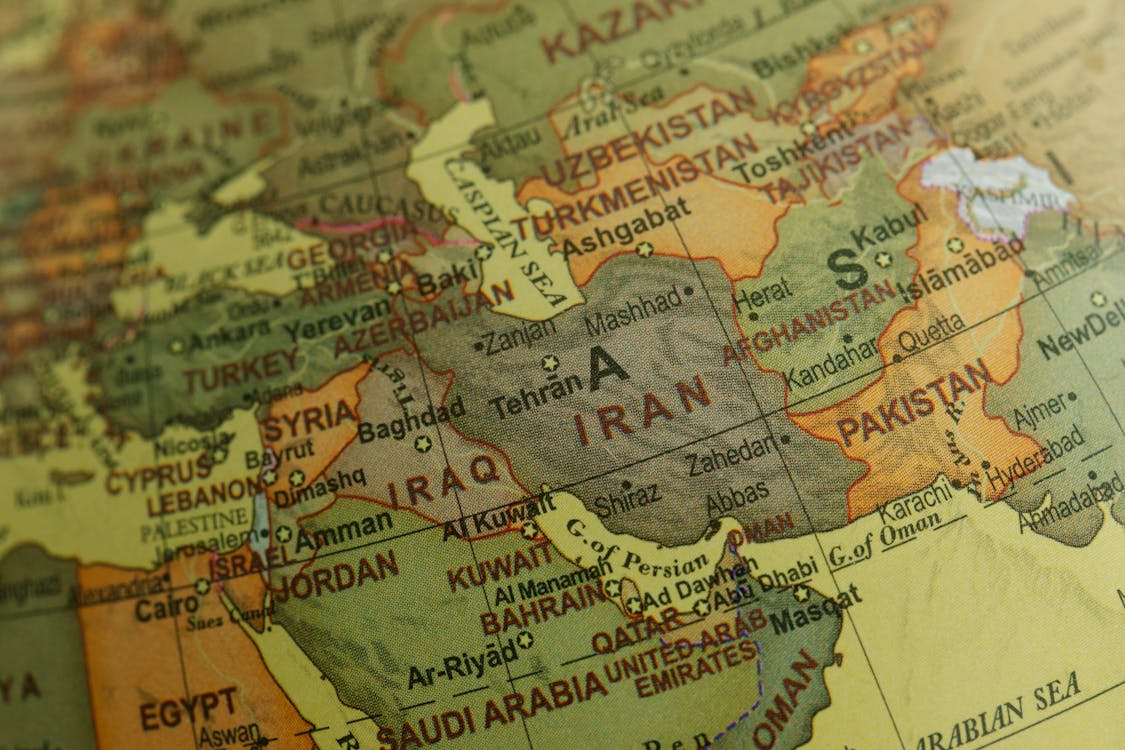
The interests of Iranian Kurds clash with Turkish interests and intersect with those of Kurds in Anatolia. Turkey is an important NATO ally. The grievances of the Persian Baluchis mirror those of Baluchis in Pakistan. Pakistan is an essential part of the new pro-US geography in Asia. The same goes for Iranian Azeris, who might mobilize people in Azerbaijan, again an American ally serving an anti-Russian function. The Arabs in the southwest also stir Arab Shiites in southern Iraq. Moreover, Tehran has a strong bond with India, a member of the QUAD, a US-driven Asian military pact.
It is a volatile puzzle currently in the ayatollahs’ hands. If it were to pass into the hands of a pro-American government, it would be an essential victory if managed wisely. It would be a stinging defeat with devastating effects if mismanaged.
Furthermore, 45 years of the ayatollahs’ regime will not have been in vain. Ten or twenty years of fascism in Germany or Italy left heavy burdens on both countries, even after they became democratic. Almost half a century of Shiite fundamentalist rule risks becoming nearly intractable baggage for any future government in Tehran.
This does not mean that, in the name of exasperated realpolitik, one must now stay away from events in Tehran. But the complexity of the picture should invite extreme caution in following everything, knowing that Iran could be a great victory or a great defeat without the ayatollahs.
In a similar and almost parallel way, the fall of the regime and the ensuing chaos in a pro-American Iran could be a great victory for Russia or China. One or both could play a role in toppling the current regime and handing the Americans a powder keg that would tear apart the delicate alliances in the Middle East and South Asia and trap Washington in reckless interventions.
Instead, now would be the opportunity for a moderate wing among the ayatollahs to reach an accommodation with the internal opposition, the United States, and Israel to facilitate a peaceful transition of the country to a new, freer institutional system.
Rebuilding
Rebuilding is far more difficult than dismantling. Iran is too important to be left in the rubble. Italy also rebuilt itself with the hierarchs who betrayed Mussolini in 1943. A similar approach should be pursued with Iran. A relatively peaceful transition would then encourage similar developments in Russia or China. Conversely, chaos in Iran would not only discourage Russians and Chinese from seeking regime change but would also strengthen American isolationist tendencies, born of failed interventions in Iraq and Afghanistan.
It’s time to think and weave, to seek channels to speak with the leadership in Tehran, knowing that a moderate adjustment is always better than extreme and unrealistic ambitions. The ayatollahs today should understand that, paradoxically, their “friends” in Moscow might be more interested in abandoning them to give America a poisoned gift. America, paradoxically, has opposing interests: to maintain an orderly Iran aligned with its geopolitical interests, rather than one in chaos.
(thanks to Giuseppe Rippa for the inputs)